_edited.png)


10 Best San Diego Vacation Rentals by Neighborhood in 2026

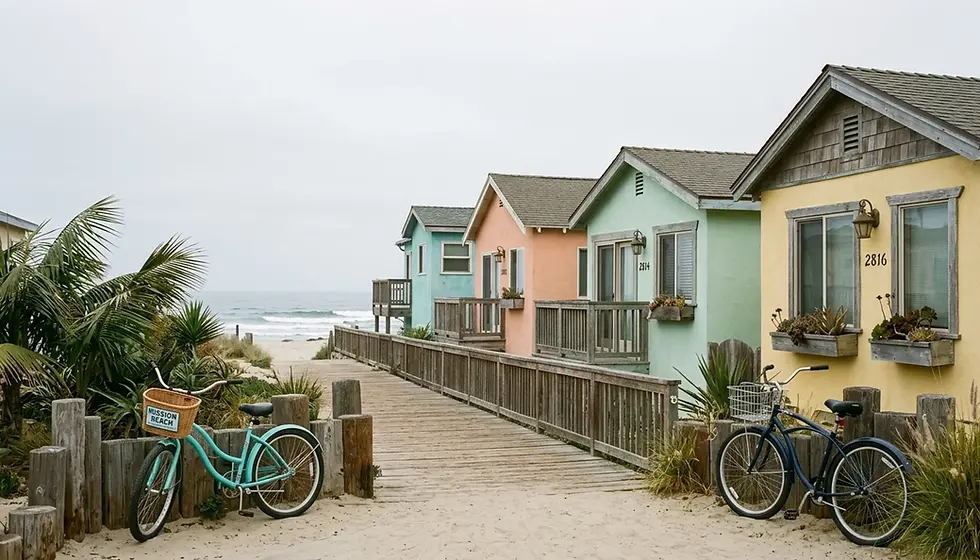
The best San Diego vacation rentals in 2026 fall into two camps: beachfront properties in Mission Beach and Pacific Beach that command premium nightly rates from $700 to over $3,000, and quieter coastal condos in La Jolla or Point Loma that offer better value and stronger reviews. At West Coast Homestays, we manage properties across San Diego's coastal neighborhoods and see firsthand which listings actually deliver on their promises versus which ones look good in photos but leave guests disappointed.
San Diego's short-term rental market holds 15,573 active listings as of May 2026, earning an average of $39,100 per year per property, according to AirROI data.
Occupancy varies widely by property quality: top-performing listings hit 86%+ occupancy while median properties sit around 56%, per AirROI's 2026 dataset.
Mission Beach oceanfront rentals reach some of the highest occupancy in the city, between 73% and 93% depending on season, according to RedAwning.
San Diego requires a Transient Occupancy Tax permit and remits 12.5% city TOT on guest receipts, on top of a 10.5% county TOT in unincorporated areas.
Peak summer months (June through August) generate roughly $8,685 in average monthly revenue per listing, compared to $5,143 during low season in January and February.
Property owners considering listing their own home should understand these same market dynamics before choosing self-management or professional oversight.
Searching for a vacation rental in San Diego means navigating a market that spans more than 27 miles of coastline and thousands of individual listings, from one-bedroom condos above Garnet Avenue to eight-bedroom oceanfront compounds in Mission Beach. Prices, quality, and neighborhood character shift dramatically within a few miles, and most guides treat "San Diego" as one homogenous destination instead of the patchwork of distinct micro-markets it actually is.
This guide breaks down the top rental picks by neighborhood, explains what actually drives pricing and availability, and covers the regulatory and logistical details competitors skip entirely, including permit rules, seasonal pricing swings, and how to choose between booking platforms. As of 2026, San Diego's short-term rental landscape has shifted enough (new supply, tightened permitting, softer hotel demand) that advice from even two years ago is already outdated.
From managing properties in Encinitas, Carlsbad, La Jolla, Pacific Beach, and Mission Beach, our team at West Coast Homestays sees the gap between well-run listings and neglected ones every week. That perspective shapes the picks and advice below.
1. Mission Beach: Best for Beachfront Access and Boardwalk Energy
Mission Beach is a narrow peninsula sandwiched between the Pacific Ocean and Mission Bay, and it delivers the most direct beach access of any San Diego neighborhood. The ocean-facing side puts you steps from sand and the Belmont Park roller coaster; the bay-facing east side is calmer and better suited to families with young kids or paddleboarders.
Rental inventory here skews toward multi-bedroom houses built close together on small lots, which means density and noise are real considerations, especially on summer weekends. A well-reviewed oceanfront condo listed through Owner Direct's San Diego rental listings starts around $941 per night for a remodeled three-bedroom unit with over 300 guest reviews, while larger group houses sleeping 14 to 22 guests run from roughly $1,195 to over $2,200 per night in peak season.
Mission Beach oceanfront properties specifically, the kind Penny Realty manages along the beachfront, achieve occupancy rates between 73% and 93% depending on the property and time of year, according to RedAwning's market data. That's meaningfully higher than the citywide average.
Pro tip: book at least 60 to 90 days ahead for July and August stays. Minimum stays of five to seven nights are common here in summer, and same-day turnovers are the norm for property managers juggling back-to-back Saturday check-ins.
2. Pacific Beach: Best for Nightlife and Younger Groups
Pacific Beach is San Diego's most active nightlife corridor, centered on Garnet Avenue's dense strip of bars and restaurants running parallel to the coast. The neighborhood draws a younger, louder crowd than La Jolla or Encinitas, and it shows in both the rental inventory and the guest reviews.
Crystal Pier anchors the north end of the beach, and condos within a few blocks of it command a premium. A well-rated North Pacific Beach condo listed on Owner Direct starts around $430 per night with a 10-out-of-10 rating across nearly 40 reviews, a reasonable price point for the location compared to Mission Beach's oceanfront rates.
If you're traveling with kids or want quiet evenings, skip the blocks immediately around Garnet Avenue. Streets further from the bar strip, closer to Crown Point or North Pacific Beach, offer the same beach proximity with far less weekend noise. Crown Point cottages, for reference, list from roughly $794 per night with strong review scores.
Pacific Beach properties also tend to book faster during spring break and college graduation weekends than any other San Diego neighborhood, so shoulder-season flexibility matters less here than nailing your booking window early for those specific dates.
3. La Jolla: Best for Upscale Coastal Views and Quiet Stays
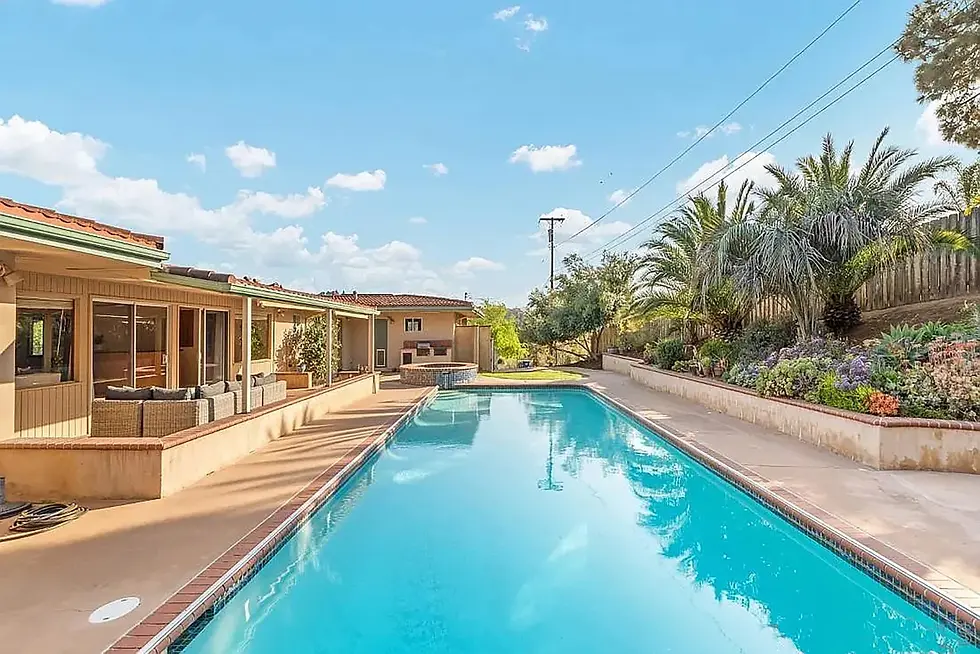
La Jolla commands the highest nightly rates among San Diego's coastal neighborhoods, and the reason comes down to guest demographics, not just scenery. La Jolla attracts an older, higher-income traveler who isn't price-sensitive the way a Pacific Beach spring break crowd is, which changes everything from minimum-stay strategy to staging aesthetic.
The cliffside views along Coast Boulevard and the sea caves accessible at low tide near La Jolla Cove are the neighborhood's signature draw. Prospect Street's upscale restaurant cluster reinforces the area's reputation as San Diego's most refined coastal enclave. Rental inventory here runs from two-bedroom condos to sprawling four-bedroom homes sleeping eight or more guests. High-end La Jolla-area listings on Owner Direct's platform reach as high as $3,497 per night for luxury villas, while more modest condos start in the $400 to $600 range depending on ocean proximity.
La Jolla's comp set behaves differently than the rest of the city: occupancy tends to stay steadier year-round because the guest base isn't chasing summer-only leisure travel the way beach towns further south do. If you're evaluating La Jolla as an investment, that stability is worth more than a flashy peak-season number.
4. Encinitas and Carlsbad: Best for Families and Longer Stays
Encinitas and Carlsbad sit north of San Diego's densest beach neighborhoods and offer a fundamentally different rental experience: lower property density, a more suburban character, and a guest base that skews toward families and longer bookings.
Encinitas is known for Swami's Beach, a well-regarded surf break, and a downtown corridor built around organic grocers and wellness-focused businesses. Property density here is noticeably lower than Pacific Beach, which means more privacy and less shoulder-to-shoulder rental inventory. The Coaster commuter rail also runs through downtown Encinitas, giving guests without a car a legitimate way to reach San Diego proper.
Carlsbad's biggest draw for family travel is proximity to LEGOLAND California, plus the seasonal Flower Fields attraction each spring. Carlsbad Village offers a walkable commercial district with restaurants and shops, giving families a home base that doesn't require a car for every meal.
Both markets see less of the wild seasonal swing that hits Mission Beach and Pacific Beach. If your travel dates are flexible, Encinitas and Carlsbad properties often carry better value during summer than comparable beachfront units further south, since demand spreads more evenly across the calendar year.
5. Point Loma and Ocean Beach: Best Value for Money
Point Loma and Ocean Beach deliver some of the strongest price-to-quality ratios in the San Diego rental market. Point Loma Heights, a residential hillside neighborhood overlooking the bay, offers houses starting around $829 per night with excellent review scores, according to listings on Owner Direct.
Ocean Beach retains a laid-back, less commercialized feel compared to Pacific Beach, with a walkable downtown strip and a well-known dog beach. It draws fewer tourists than the more heavily marketed neighborhoods, which keeps prices lower even though beach access is comparable.
Sunset Cliffs, part of the broader Point Loma area, offers dramatic coastal bluffs and sunset views without the density of Mission Beach. An apartment near Sunset Cliffs lists from roughly $215 per night with a perfect review score, one of the better value plays in the entire city.
If your priority is stretching your budget without sacrificing ocean proximity, this is the neighborhood cluster to prioritize over the more heavily marketed beach towns.
6. Downtown San Diego and Gaslamp Quarter: Best for Urban Convenience
Downtown San Diego and the adjacent Gaslamp Quarter suit travelers prioritizing walkability, nightlife, and proximity to Petco Park and the Convention Center over beach access. This is the neighborhood cluster for business travelers, conference attendees, and anyone attending an event downtown.
A one-bedroom apartment near Petco Park lists from roughly $196 per night, positioning downtown as one of the more affordable entry points into San Diego's rental market, notably lower than most beachfront comparables.
Downtown inventory tends to skew toward condos and apartment-style units rather than houses, and most properties are within walking distance of restaurants, bars, and public transit. The tradeoff is straightforward: no beach at your doorstep, but significantly easier access to San Diego's urban core.
Downtown vacancy in the broader multifamily market has climbed above 10% as of early 2026, per SCRHA's regional vacancy survey, which has pushed some landlords toward short-term rental conversions and more competitive pricing on existing listings.
How Much Do San Diego Vacation Rentals Cost by Season?
San Diego vacation rental pricing follows a predictable seasonal curve, with peak summer rates roughly 68% higher than low-season rates on average. According to AirROI's 2026 dataset, average monthly revenue during June through August reaches about $8,685 per listing, compared to $6,053 in shoulder months and $5,143 during low season (January, February, and November).
Season | Months | Avg. Monthly Revenue per Listing | Booking Window Recommendation |
Peak | June to August | $8,685 | 60 to 90 days ahead |
Shoulder | March to May, September to October | $6,053 | 30 to 45 days ahead |
Low | January, February, November | $5,143 | 7 to 14 days ahead |
San Diego's citywide average daily rate sits around $337, with average occupancy near 61% and RevPAR (revenue per available rental) of $190 over the trailing twelve months, according to AirDNA's 2026 market report. Top-performing listings, the ones with professional photography, dynamic pricing, and consistent five-star reviews, reach 86% occupancy or higher, while median properties hover closer to 56%.
That performance gap is the single biggest factor separating a rental that actually earns its asking price from one that just looks good online. As a result, guests searching for the best value should target properties with high review counts (hundreds, not dozens) as a proxy for consistent quality, since review velocity correlates strongly with operational competence.
What Regulations Affect San Diego Vacation Rentals in 2026?
San Diego's short-term rental rules are governed by the Short-Term Residential Occupancy (STRO) ordinance, which requires most operators to hold a valid license and remit a 12.5% Transient Occupancy Tax on guest receipts within city limits. Unincorporated San Diego County areas apply a separate 10.5% county TOT on top of applicable state and local taxes. The City of San Diego STRO official page is the authoritative source for current tier definitions, fee schedules, and licensing status.
Specifically, home-sharing in a primary residence is capped at 90 days per year under current city rules, and whole-home short-term rentals are effectively restricted in most single-family residential zones outside the licensed tiers. Hosts must display their permit number on every listing and comply with neighborhood-specific noise and nuisance ordinances outlined in the city's Good Neighbor Policy. For guests, this matters because a listing operating without a valid STRO license carries real cancellation risk if the city shuts it down mid-booking.
For property owners, verifying license status before booking a stay, or before purchasing an investment property, is non-negotiable. The city's Active STRO Licenses Open Data Portal lets anyone look up a property's current license status, and the full STRO Ordinance text spells out exactly which zones and tiers apply where. Mission Beach falls under a distinct Tier 4 designation with its own rules, separate from the rest of the city.
We regularly field questions from prospective San Diego property owners who assumed compliance was optional or informal. It isn't. At West Coast Homestays, staying current on STRO tier changes and TOT registration is part of what we handle for every managed property, precisely because the rules shift often enough that a casual owner can fall out of compliance without realizing it.

Airbnb vs. Vrbo vs. Local Agencies: Which Platform Should You Book Through?
Choosing where to book a San Diego vacation rental depends on whether you value platform-wide review consistency, direct owner communication, or local on-the-ground support. Airbnb and Vrbo dominate search volume and offer the broadest inventory, while local agencies like San Diego Vacation Rentals (SDVR), which operates a physical office in Pacific Beach, and aggregators like Owner Direct offer curated, locally vetted inventory.
Airbnb's review system and Smart Pricing tool give guests transparency into a property's track record, and Airbnb's own reviews documentation explains exactly how the rating system functions for stays. Vrbo tends to skew toward whole-home rentals rather than shared spaces, which suits families and larger groups booking a full house in Mission Beach or Carlsbad.
Local, direct-booking agencies like SDVR and Owner Direct offer something the major platforms can't: a real local office and, in Owner Direct's case, a three-step booking flow that connects guests to a partner's secure booking system rather than routing everything through a single algorithm. The tradeoff is a smaller inventory pool compared to Airbnb's citywide reach.
For property owners, this same platform decision matters just as much on the supply side. Listing on a single channel limits visibility and caps revenue potential, which is exactly why multi-channel management strategies that distribute across Airbnb, Vrbo, and direct booking tend to outperform single-platform listings.
What Logistics Should You Plan Around in San Diego?
Getting from San Diego International Airport (SAN) to your rental takes roughly 15 to 30 minutes to most coastal neighborhoods, with Pacific Beach and Point Loma among the closest options and Encinitas or Carlsbad running closer to 30 to 45 minutes depending on traffic.
Parking is the most underestimated logistical headache in beach neighborhoods. Mission Beach and Pacific Beach both enforce residential permit parking in many zones, and street parking near the boardwalk disappears fast on summer weekends. Confirm whether your rental includes dedicated off-street parking before booking, especially if you're bringing a vehicle during peak season. Common amenities across San Diego rentals typically include fully equipped kitchens, in-unit washer and dryer, air conditioning, and private or shared outdoor space, but parking availability varies far more than any of those.
Walkability differs sharply by neighborhood. Downtown, Pacific Beach, and Mission Beach are walkable enough to skip a car entirely if you're staying multiple nights. La Jolla, Carlsbad, and Encinitas generally require a car or reliable rideshare access to reach restaurants and attractions outside your immediate block.
Minimum stay requirements also vary widely: expect five to seven night minimums at Mission Beach properties during summer, versus two to three nights in shoulder season or in less tourist-dense neighborhoods like Point Loma.
How Do You Choose the Right San Diego Rental for Your Trip?
Matching your travel style to the right neighborhood matters more than chasing the lowest nightly rate. Consider these factors before booking: First, decide your priority: beach access, nightlife, family logistics, or budget. Second, check the review count, not just the score. A property with 300-plus reviews at a 10-out-of-10 rating (like some Mission Beach oceanfront condos) demonstrates consistent operational quality that a newer listing with five reviews simply can't prove yet.
Match neighborhood to travel style. Families and surfers do well in Encinitas or Carlsbad; nightlife seekers belong in Pacific Beach; couples wanting quiet and views should look at La Jolla.
Check the permit status. Use the city's Active STRO License Map to confirm a property is legally operating before you book, especially for longer stays.
Book your window based on season. Peak summer requires 60 to 90 days of lead time; low season allows for last-minute flexibility.
Compare platforms. Cross-reference the same property across Airbnb, Vrbo, and direct-booking sites like SDVR, since pricing and fees can differ.
Confirm parking and minimum stays. Don't assume; verify directly with the listing before committing.
Common mistakes worth avoiding: booking a Mission Beach property in July without checking the minimum stay requirement, assuming all downtown listings include parking, and ignoring a property's STRO license status entirely. Any of these can turn a great-looking booking into a logistical headache.
Frequently Asked Questions
What is the average cost of a San Diego vacation rental?
San Diego's citywide average daily rate is around $337 per night, according to AirDNA's 2026 market data, though rates range from roughly $200 for a Point Loma apartment to over $3,000 for a luxury oceanfront villa in La Jolla or Point Loma. Budget-conscious travelers typically find the best value in Ocean Beach and Point Loma.
Which San Diego neighborhood is best for a family vacation rental?
Encinitas and Carlsbad work best for families, offering lower property density, proximity to LEGOLAND California in Carlsbad, and calmer streets than the denser beach towns further south. Mission Beach's bay-facing east side also suits families who still want walkable beach access.
Do I need to check for a short-term rental permit before booking in San Diego?
Yes. San Diego's STRO ordinance requires most short-term rentals to hold a valid license and display a permit number on their listing. You can verify a property's status using the city's Active STRO Licenses Open Data Portal before booking, particularly for longer stays where cancellation risk matters more.
What is the best time to book a San Diego vacation rental for the lowest price?
January, February, and November offer the lowest average rates, with monthly revenue per listing dropping to around $5,143 compared to $8,685 during peak summer, according to AirROI's 2026 data. Booking during these low-season months typically requires only 7 to 14 days of lead time versus 60 to 90 days in summer.
Is Mission Beach or Pacific Beach better for a vacation rental?
Mission Beach offers more direct oceanfront access and higher occupancy rates (73% to 93% according to RedAwning), while Pacific Beach delivers a livelier nightlife scene centered on Garnet Avenue. Choose Mission Beach for a beach-first trip and Pacific Beach if evening entertainment matters more than immediate sand access.
Should I book through Airbnb, Vrbo, or a local San Diego rental agency?
Airbnb and Vrbo offer the widest inventory and platform-standard review systems, while local agencies like SDVR provide a physical Pacific Beach office and curated properties. Compare the same listing across platforms when possible, since fees and cancellation policies can differ meaningfully.
Are San Diego vacation rentals a good investment for property owners in 2026?
San Diego's short-term rental market shows strong potential for well-managed properties, with top-tier listings reaching 86% or higher occupancy compared to a 56% median, according to AirROI. However, success depends heavily on professional pricing, listing optimization, and STRO compliance, areas where many self-managed properties fall short.
Final Take on San Diego Vacation Rentals
The strongest San Diego vacation rentals in 2026 share three traits: a neighborhood that matches the guest's actual priorities, a verified STRO license, and a review history long enough to prove consistent quality. Mission Beach wins on beach access, La Jolla wins on quiet luxury, and Encinitas and Carlsbad win on family value, but no single neighborhood is objectively "best" outside the context of who's booking.
For guests, that means resisting the urge to book the flashiest listing photo and instead checking review counts, permit status, and seasonal pricing before committing. For property owners weighing whether to list a home in this market, the same data cuts both ways: San Diego's rental market rewards operators who understand pricing calibration and neighborhood positioning, and it quietly punishes owners who don't.
San Diego's short-term rental landscape will keep shifting through 2026 as new multifamily supply pressures traditional rents and STRO enforcement continues to mature. Owners who treat their rental as an actively managed business, rather than a set-it-and-forget-it listing, are the ones consistently outperforming the median occupancy numbers cited throughout this guide.

If you own a property in one of these coastal San Diego neighborhoods and you're trying to figure out whether it's positioned to compete with the top 10% of listings reaching 86%+ occupancy, that conversation is worth having. West Coast Homestays manages properties across San Diego, Encinitas, Carlsbad, La Jolla, Pacific Beach, Oceanside, and Mission Beach, and we've generated results like a $121,000-plus revenue increase for one property through dynamic pricing and listing optimization alone. Reach out to West Coast Homestays to find out what your property could realistically earn.
Written by Mark Palmiere, Owner & CEO at West Coast Homestays
Content powered by inkSTR.co

Comments