_edited.png)


San Diego Airbnb Management Fees Explained: A 2026 Owner's Guide

Updated: Apr 14

Airbnb management fees in San Diego typically range from 15% to 30% of gross rental revenue, depending on the service level, the management model (co-hosting versus full-service), and the specific coastal neighborhood your property sits in. That range is wide enough to matter significantly to your annual net income, which is exactly why understanding what those fees include, and what they don't, is the most important financial decision you'll make as a San Diego rental owner in 2026.
Typical fee range: 15-30% of gross revenue for San Diego short-term rental management, with full-service operations toward the higher end and co-hosting arrangements toward the lower end.
What the fee covers varies dramatically: Some managers include dynamic pricing, guest communication, cleaning coordination, and maintenance. Others charge add-on fees for each of these services.
The right comparison is net income, not fee percentage: A 25% fee from a manager who generates 40% more bookings can outperform a 15% fee from a manager who lets your listing stagnate.
San Diego's coastal markets (Pacific Beach, La Jolla, Encinitas, Mission Beach) carry premium management rates because of higher nightly ADR, seasonal complexity, and stricter permit requirements.
Co-hosting and full-service management are meaningfully different products: Co-hosting keeps the host account in your name; full-service transfers operational control to the manager.
In 2026, San Diego's STRO licensing environment makes regulatory compliance a real cost factor that many fee comparisons overlook entirely.
San Diego's short-term rental market has matured significantly since the City formalized its Short-Term Residential Occupancy (STRO) permit system. Property owners who entered the market expecting to pocket most of their gross revenue quickly discovered that the true cost of running a competitive Airbnb listing, priced correctly, cleaned consistently, and communicated professionally around the clock, is substantial whether you pay it in management fees or in your own time and missed revenue. For a broader look at San Diego Airbnb laws and compliance in 2026, including STRO permit requirements by property type, our dedicated guide covers the full regulatory picture.
At West Coast Homestays, we manage short-term and mid-term rentals across Pacific Beach, La Jolla, Encinitas, Carlsbad, CA, Mission Beach, and Oceanside, CA. The question we hear most from new property owners is some version of: "What does management actually cost, and is it worth it?" This guide answers that directly, with the context San Diego's coastal market specifically requires.
What follows covers every layer of the fee structure, from base management percentages to hidden add-on costs, with a framework for evaluating what you're actually getting for your money. If you're weighing Airbnb co-hosting against full-service management, or trying to understand why two seemingly similar managers quote very different rates, this guide will give you the tools to compare them correctly. Our article on self-managing versus hiring an Airbnb manager in San Diego also provides useful context for this decision.

What Do San Diego Property Managers Actually Charge?
San Diego vacation rental managers use two primary fee structures: a percentage of gross revenue and a flat monthly fee. Percentage-based pricing is far more common in the STR space, and for good reason: it aligns the manager's incentive directly with your income. When they earn more for you, they earn more themselves. Flat fees, while predictable, remove that alignment entirely.
In San Diego's coastal markets, the realistic breakdown by service tier looks like this:
Service Model | Typical Fee Range | What's Usually Included | Best For |
Co-Hosting / Co-Management | 10-20% of gross revenue | Guest communication, calendar management, pricing updates, listing optimization | Owners who want to stay involved and keep their Airbnb host profile |
Full-Service Property Management | 20-30% of gross revenue | Everything in co-hosting, plus cleaning coordination, maintenance, vendor management, multi-platform channel management | Absentee owners, out-of-state investors, and burned-out self-managers |
Premium / Luxury Management | 25-35% of gross revenue | All of the above, plus concierge services, interior design oversight, dedicated account management | High-ADR properties in La Jolla or beachfront Mission Beach with complex operational needs |
One point worth emphasizing: these percentages apply to gross revenue, meaning the total collected from guests before any expenses. A property generating $5,000 per month in bookings at a 25% management fee translates to $1,250 monthly in management costs. That number feels different when you're comparing it against what you'd spend in time, cleaning bills, software subscriptions, and missed bookings as a self-manager. For a detailed look at property management cost per month in 2026, including how to model the full expense picture, our breakdown covers every line item. Owners evaluating the broader cost picture can also review our San Diego property management cost guide for revenue-focused benchmarks.
Where Add-On Fees Hide
The base management percentage is rarely the full cost. Many San Diego managers quote a competitive-looking 18-20% rate and then stack on separate fees for cleaning coordination (often 10-15% of cleaning revenue), maintenance call-out fees, onboarding fees, photography fees, and monthly platform subscription costs. Before signing any management agreement, get a complete fee schedule in writing and calculate the effective all-in rate across a typical month.
The managers who include cleaning coordination, dynamic pricing software, and guest communication in a single transparent percentage tend to generate fewer disputes and more owner referrals. That transparency is a signal worth looking for when you're evaluating options. See our guide on how to find property management company reviews that boost San Diego rental revenue for a practical method of vetting managers before you commit. Owners comparing local operators can also review our roundup of the 7 best property management companies in San Diego for benchmarks on fee structures and service scope. For a deeper look at Airbnb management fees in San Diego across different service tiers, our dedicated overview covers the full spectrum.
Co-Hosting vs. Full-Service: Which Fee Structure Makes Sense for Your Property?
Co-hosting and full-service management are genuinely different products, and the fee difference reflects that. Co-hosting, as defined by Airbnb's official co-host terms, keeps the primary host account in the property owner's name. The co-host operates within that account, handling day-to-day tasks, but the host retains their profile, review history, and Superhost status if they've earned it. Full-service management typically means the manager operates the listing directly, often under the company's own account or a sub-account structure.
For many San Diego owners, especially those who built up strong review scores and want to protect that history, co-hosting is the right model. You keep the guest relationship, the Airbnb identity, and the pricing authority. The co-host handles the operational load that's burning you out: the 11 PM check-in questions, the turnover coordination between back-to-back bookings, and the dynamic pricing adjustments before a Comic-Con weekend in Gaslamp Quarter-adjacent properties or a Del Mar racing weekend in Encinitas. Our article on co-host versus full-service management in San Diego examines these trade-offs side by side.
Full-service management makes more sense when you want complete operational separation. Out-of-state investors in particular benefit from handing over total control: the manager owns every decision, every guest interaction, and every maintenance call. The higher fee reflects that expanded scope. For a deeper look at how these two models compare, our co-hosting resource hub covers the decision framework in detail. Owners exploring the co-hosting model in more depth may also find our guide on co-hosting in San Diego a useful starting point. For owners who want to understand what a co-host's specific responsibilities look like day to day, our overview of Airbnb co-host responsibilities covers the full scope. Owners who want to understand the co-hosting model at a foundational level can also read our guide on what a co-host is and how it works for San Diego owners.

What Should Your Airbnb Management Fee Actually Cover in 2026?
A well-structured management agreement in San Diego's 2026 market should cover, at minimum, seven operational categories. If any of these are missing from the base fee, treat each as a negotiating point or a red flag depending on how the manager responds.
Dynamic pricing and revenue management: Manual rate-setting is a structural disadvantage in San Diego. Your manager should use a tool like PriceLabs or a proprietary pricing model that adjusts rates based on local demand signals, competitor availability, and event calendars. Airbnb's own Smart Pricing feature is a starting point, but it's a passive algorithm with no local context. Active revenue management means a human is reviewing and overriding that algorithm with knowledge of the Comic-Con demand spike, the shoulder-season compression in January and February, and the premium Pacific Beach commands in July relative to October. For a deeper look at how a winning San Diego vacation rental pricing strategy boosts revenue, our dedicated guide walks through the mechanics. Owners who also list on VRBO can review our guide on mastering VRBO dynamic pricing to boost San Diego rental revenue for platform-specific strategies. Owners who want a broader comparison of dynamic pricing tools can also consult our roundup of Airbnb revenue forecasting tools. For owners focused on maximizing rates through design, our guide on designing Airbnbs for higher ADR in San Diego covers how property presentation affects nightly pricing power.
Guest communication: This means all pre-booking inquiries, check-in instructions, in-stay support, and post-checkout follow-up. Not templated auto-responses. Actual responsive communication that protects your review score and handles issues before they become complaints. Reviews on Airbnb's official reviews system are directly tied to this communication quality, making it one of the highest-leverage services your manager provides. Strong guest communication is also a core component of hospitality customer service training that lifts revenue.
Listing optimization: Your listing title, description, photo sequence, and amenity list should be reviewed and updated regularly, not set once and forgotten. Airbnb's algorithm rewards listings that stay active and competitive. Our guide on real estate photography tips that boost San Diego rental revenue covers how visual presentation directly affects booking conversion. For tactics that go beyond photography, our post on Airbnb marketing in San Diego for 2026 covers the full spectrum of listing visibility strategies. Owners looking to build a recognizable listing presence can also explore our guide on building an Airbnb brand in San Diego for 2026.
Cleaning and turnover coordination: Coordinating cleaners against a live booking calendar is operationally complex. The manager should own this entirely, including backup coverage for last-minute turnovers. Our proven rental property maintenance checklist for higher ROI outlines the standards that protect both your asset and your guest reviews.
Maintenance and vendor coordination: Minor repairs, HVAC calls, appliance replacements. Your manager should have an established vendor network in your specific neighborhood and the ability to dispatch without your involvement. Our guide on rental property maintenance for San Diego owners covers what a robust vendor coordination process looks like in practice.
Multi-platform channel management: If your property lists on Airbnb, VRBO, and Booking.com simultaneously, calendar synchronization is non-negotiable. One double-booking is costly enough to wipe out months of management fee savings. Our review of the 12 best channel managers for vacation rentals in San Diego helps you understand what tools your manager should be using. Owners seeking the right software to support this can also review our comparison of San Diego property management software options. For owners who want to track the financial side of multi-platform operations, our roundup of the 12 best bookkeeping software tools for rental properties in 2025 covers the accounting layer.
STRO compliance support: San Diego's Short-Term Residential Occupancy permit requirements, along with the separate regulatory frameworks in Carlsbad, Encinitas, and Oceanside, are a real operational responsibility. Your manager should track renewal deadlines, tax remittance requirements, and any regulatory changes that affect your specific permit type. The City of San Diego STRO official page is the authoritative source for current permit requirements and fee schedules. Our San Diego Airbnb permit guide for 2026 provides the full compliance picture by jurisdiction, and our overview of San Diego STRO tiers, costs, and host requirements explains how the licensing tiers affect your operational obligations. Owners who want to stay current on the regulatory landscape can also browse our laws and regulations resource library for ongoing updates. For owners concerned about insurance and liability within this compliance framework, our guide on San Diego Airbnb insurance, liability, and risk in 2026 covers the coverage considerations that go alongside permit compliance.
How Do San Diego Management Fees Compare to the Net Revenue Outcome?
The most common mistake San Diego property owners make when evaluating management fees is treating the percentage as the primary variable. It isn't. Net revenue after management is the only number that matters, and a higher-fee manager who generates meaningfully more bookings, at higher nightly rates, with better occupancy through the shoulder season, consistently outperforms a lower-fee manager whose performance is mediocre.

Consider a two-bedroom property in Pacific Beach, one of San Diego's most active short-term rental submarkets. A self-managing owner running the property themselves might generate a certain annual gross revenue through flat pricing and inconsistent booking pace. A professionally managed version of the same property, with active dynamic pricing, a fully optimized listing, and consistent five-star turnovers, can command higher nightly rates and meaningfully better occupancy during the shoulder periods from October through February. Our guide on San Diego Airbnb finance, profit, and ROI in 2026 models these scenarios with real market data. Owners who want to explore data-driven performance benchmarks can also consult our post on using data to outperform the San Diego Airbnb market in 2026. For owners who want to quantify ROI and cash-on-cash returns specifically, our guide on San Diego Airbnb ROI and cash-on-cash returns in 2026 models those outcomes with current market data.
From our work managing vacation rentals throughout coastal San Diego, the pattern we see most consistently is that properties transitioning from self-management to professional management see the most significant revenue uplift not in peak summer months, when Pacific Beach and Mission Beach essentially fill themselves, but in the shoulder and off-peak periods when pricing strategy and listing quality do the heavy lifting. For owners focused on maximizing annual performance, our guide on revenue optimization for San Diego rentals explains the specific levers that drive year-round income. Owners who want to understand how yield management applies to their rental can also review our guide on what yield management is and how it boosts San Diego rental profits.
For a detailed breakdown of how revenue management drives property income, our San Diego Airbnb management revenue guide walks through the specific levers that affect annual performance. Owners looking to quantify these outcomes precisely can also use our San Diego rental property cash flow calculator to model different management fee scenarios against projected gross revenue.
What Hidden Costs Do San Diego Owners Overlook?
Beyond the management fee percentage, several cost categories consistently catch San Diego owners off guard when they're comparing proposals or switching managers.
Platform Fees and OTA Commissions
Airbnb charges hosts a service fee on every booking, typically 3% of the subtotal for standard host-only fee structures. This fee is separate from and in addition to any management fee. VRBO's fee structures differ, with both owner-pay and pay-per-booking models available. Understanding how these platform fees layer onto your management fee is essential for an accurate net revenue projection. Our guide on how VRBO works for owners and guests covers the platform's fee structure in detail.
Cleaning Fees and Turnover Costs
Some managers include cleaning coordination in their base fee but pass through the actual cleaning cost to the property owner as a separate line item. Others build cleaning into their percentage. There's no universal right answer, but you need to know which model you're working with. In San Diego's coastal markets, professional turnover cleaning for a two-bedroom property typically runs in the range of $150 to $250 per turnover, depending on the neighborhood, property size, and urgency.
Onboarding and Setup Fees
Some full-service managers charge a one-time onboarding fee to cover listing setup, professional photography, and platform registration. This is reasonable if the photography is genuinely professional quality. Less reasonable if it's a line item on an invoice for work that's already priced into the management percentage.
The Time Cost of Self-Management
This one doesn't appear on any invoice, which is exactly why it's so easy to underestimate. Managing a single San Diego vacation rental typically requires 15 to 25 hours per week when you account for guest communication, cleaning coordination, maintenance calls, pricing updates, listing maintenance, and review management. At any reasonable valuation of your time, that's not free. It's an invisible cost that makes the management fee look more expensive than it actually is relative to the full picture. Our article on the signs it's time to hire an Airbnb manager in San Diego helps owners recognize when that tipping point has arrived. Owners who want to understand what the full financial picture looks like, including tax deductions available on management fees and operating expenses, can reference our guide on maximizing San Diego short-term rental tax deductions. Owners who want a deeper dive into allowable deductions can also consult our rental property tax deductions checklist for a full breakdown of write-offs. For owners who want to track these costs systematically, our roundup of the 12 best accounting software tools for real estate investors in 2025 covers the options that make expense tracking straightforward.

How to Evaluate and Compare Management Proposals in San Diego
When you're reviewing proposals from multiple San Diego managers, the following five-point framework gives you a structure for comparison beyond the headline fee percentage.
Calculate the effective all-in rate. Take the quoted base percentage, add estimated cleaning coordination fees, maintenance markups, and any platform subscription costs. Divide total projected management costs by projected gross revenue to get your true effective rate. Our guide to San Diego property management fees and boosting your rental revenue walks through this calculation in detail. Owners who want additional context on property management costs can also review our guide on how much San Diego property management costs for a revenue-focused benchmark.
Ask for neighborhood-specific performance data. Any competent San Diego manager should be able to share occupancy rates and average daily rate (ADR) benchmarks for comparable properties they currently manage in your specific neighborhood. Generic citywide averages tell you nothing useful. Encinitas and Pacific Beach are different markets. La Jolla and Mission Beach attract different guest profiles. If a manager can't give you neighborhood-level context, that's telling. Our guide on the best neighborhoods for Airbnb investment in San Diego in 2026 provides the baseline data for these comparisons. Owners exploring specific coastal submarkets can also review our guide on where to stay in San Diego across the top 10 neighborhoods for market-level context.
Verify their pricing approach. Ask directly: do you use dynamic pricing software, and which one? Do you review and override pricing manually around local events? How do you handle pricing during San Diego's January-February shoulder period? The answer should be specific and confident, not vague. Our guide on San Diego Airbnb pricing mistakes in 2026 identifies the specific errors that cost owners the most revenue. Owners who want to understand how top hosts approach this can also read our guide on STR revenue management strategies top San Diego hosts use year round. For a comprehensive comparison of short-term versus long-term rental strategy as it relates to pricing decisions, our guide on Airbnb vs. long-term rentals in San Diego for 2026 provides a useful decision framework.
Check their review aggregation method. The best San Diego property managers actively aggregate verified third-party reviews across platforms rather than relying solely on testimonials on their own websites. Verified review platforms are a meaningful trust signal when evaluating who to trust with your asset. Our guide on top San Diego Airbnb management companies covers how to evaluate these review signals systematically. Owners who want to see how a top management company's results compare can also review our post on how West Coast Homestays boosts Airbnb revenue in 2026.
Understand the contract terms. Minimum contract duration, termination notice requirements, and what happens to your Airbnb listing if you switch managers are all points worth clarifying before signing. Some management contracts include provisions that make it difficult to reclaim your listing, particularly if the manager lists under their own Airbnb account. Our guide to property management contract termination in San Diego outlines what owners need to know before signing or exiting an agreement. Owners who are considering switching from their current manager can also review our guide on switching property management companies in San Diego for a step-by-step process.
For owners who want additional context on managing across platforms, our guide on VRBO management and revenue performance in San Diego covers the channel-specific dynamics that affect both fee structures and net income. You may also find our comparison of Vacasa vs. Evolve vs. local managers in San Diego useful when narrowing down your options. Owners who want a broader view of the competitive landscape can also consult our roundup of the top 7 Airbnb property management companies in San Diego that boost revenue. For owners considering switching from a national operator, our guide on the top 5 reasons to switch from Evolve or Vacasa to local San Diego management outlines the key differences. Owners who want to find the right management partner can also use our guide on how to find the best Airbnb management companies in San Diego as a structured vetting resource.
Frequently Asked Questions About San Diego Airbnb Management Fees
How much does Airbnb property management cost in San Diego in 2026?
San Diego Airbnb management fees typically range from 15% to 30% of gross rental revenue in 2026, depending on the service model and scope. Co-hosting arrangements generally fall in the 10-20% range, while full-service management including cleaning coordination, maintenance, and multi-platform channel management typically runs 20-30%. Premium coastal properties in La Jolla and Mission Beach with high ADR and complex operations may see rates toward the higher end of that range. Always ask for a complete fee schedule, including add-ons, to calculate your effective all-in rate. Owners who want a detailed cost breakdown by management tier can also review our guide on San Diego property management costs for revenue-focused benchmarks.
What is the difference between co-hosting and full-service management in San Diego?
Co-hosting keeps your Airbnb host account and profile in your name while delegating day-to-day operations to a local partner. Under Airbnb's official co-host structure, the property owner retains host status, Superhost eligibility, and review history. Full-service management typically involves the manager operating the listing end-to-end, often under their own account. Co-hosting is best for owners who want to stay involved and protect their Airbnb identity. Full-service management suits absentee owners, out-of-state investors, and anyone who wants complete operational separation. Our guide on co-hosting in San Diego for property owners covers the full decision framework. Owners who want to understand co-hosting through the lens of how Airbnb co-hosting works in San Diego and why owners need it can find a practical explanation in our dedicated overview.
Are Airbnb management fees worth it in San Diego's coastal market?
For most San Diego coastal property owners, yes, but the justification depends on your specific situation. The value comes not from the fee itself but from what competent professional management generates in return: higher occupancy through shoulder seasons, better nightly rates through dynamic pricing, fewer costly guest issues, and the recovery of 15-25 hours per week you're currently spending on operations. The correct question is whether your net revenue after management fees exceeds your net revenue from self-management after accounting for your time, missed bookings, and operational costs. Our article on whether Airbnb is worth it in San Diego in 2026 examines this question in full. Owners who want to see a real-world example of professional management outcomes can review our case study on how we made one homeowner an extra $122,000 in 12 months.
What should be included in a San Diego Airbnb management fee?
A well-structured management fee in San Diego's 2026 market should include dynamic pricing and revenue management, all guest communication, listing optimization, cleaning and turnover coordination, maintenance and vendor management, multi-platform channel synchronization, and STRO compliance support. If any of these categories carry a separate add-on charge, calculate the effective combined rate before comparing proposals from different managers. Our overview of what an Airbnb property manager does details each of these responsibilities in depth. Owners who want to understand the full operational picture, including systems and processes, can also review our guide on San Diego Airbnb operations and systems in 2026.
Do I need a permit to run an Airbnb in San Diego, and does my manager handle that?
Yes. The City of San Diego requires a Short-Term Residential Occupancy (STRO) license for all vacation rentals. Requirements vary by property type, location, and whether the property is owner-occupied. Separate regulatory frameworks apply in Carlsbad, Encinitas, and Oceanside, each with different permit structures. A qualified San Diego STR management company should track your permit renewal deadlines, handle applicable tax remittance (Transient Occupancy Tax), and stay current on regulatory changes in your specific jurisdiction. Hosts can apply for their STRO license directly through the City of San Diego's official STRO license application portal. Our full guide to San Diego STR laws covers the permit requirements across all jurisdictions, and our article on navigating San Diego's short-term rental regulations explains what the changes mean for active hosts. Owners who want to verify the current active license landscape in their neighborhood can also consult the City's active STRO licenses open data portal for up-to-date license counts by location.
How do management fees differ by San Diego neighborhood?
Management fee percentages tend to be relatively consistent across San Diego's coastal neighborhoods, but the absolute dollar cost per month varies significantly because ADR varies. A 25% management fee on a Pacific Beach two-bedroom averaging $250 per night at 70% occupancy costs considerably less per month than the same percentage on a La Jolla four-bedroom averaging $500 per night at similar occupancy. Neighborhood also affects operational complexity: Mission Beach properties with high summer demand require more intensive turnover coordination and pricing oversight than a Carlsbad property with longer average stays and a lower booking velocity. Owners with properties in specific coastal submarkets can also review neighborhood-specific guides, including our Encinitas Airbnb management guide and our overview of how top property management in Pacific Beach boosts revenue.
Can I negotiate Airbnb management fees in San Diego?
Yes, and you should. Multi-property owners have the most negotiating leverage since adding properties reduces the manager's per-unit overhead. Properties with longer average stays (Encinitas and La Jolla tend to attract guests who book for a week or more) require fewer turnovers and less operational intensity, which is a legitimate basis for a lower fee. Properties that are already well-maintained, well-staged, and generating strong reviews are also more attractive to manage and may command a better rate. The key is to negotiate based on the specific economics of your property, not simply to chase the lowest headline percentage. Owners scaling across multiple properties can also review our guide on scaling an Airbnb portfolio in San Diego in 2026 for leverage strategies that apply at the portfolio level. Owners who also want to evaluate exit strategies as part of their long-term planning can review our guide on San Diego Airbnb exit strategies for 2026.
What Airbnb Management Fees Mean for Your San Diego Investment in 2026
San Diego's short-term rental market in 2026 rewards owners who treat their property as a managed asset, not a passive income stream that runs itself. The management fee is not a cost to minimize in isolation. It's a lever in a larger revenue equation where pricing strategy, listing quality, guest experience, and regulatory compliance all interact. Owners who want a comprehensive framework for thinking about their rental as a business can also review our expert guide to a rental property business plan template. For owners who want a complete playbook covering all aspects of San Diego short-term rental ownership, our San Diego short-term rental playbook for 2026 covers strategy, operations, and revenue optimization in one resource.
The owners who consistently generate the strongest net returns in Pacific Beach, Encinitas, Downtown Gaslamp, La Jolla, and Mission Beach are not the ones who found the cheapest manager. They're the ones who found a management partner whose operations justified the fee through measurable revenue performance. That distinction is worth holding onto as you evaluate your options. Our guide to how to choose San Diego property managers gives you a step-by-step process for making that evaluation with confidence. Owners who want to understand the full scope of Airbnb management considerations before committing to a partner can also explore our dedicated resource library on management strategy and operations. Owners who want to explore whether starting their hosting journey with a management partner from the outset makes sense can review our guide on starting your San Diego Airbnb hosting journey.
For further reading on how San Diego property management strategy connects to long-term investment performance, or if you want to explore what the fee structure looks like for a specific property in San Diego's coastal markets, the next step is a direct conversation with a manager who knows these neighborhoods from the inside. Owners who want to track the financial performance of their rental investment over time can also explore our resources on real estate accounting and the investment tools that support smarter ownership decisions. For owners who want to understand how passive income from San Diego real estate compounds over time, our guide on how to earn passive income from rental property in San Diego provides a long-term perspective on management fees as an investment rather than a cost.

If you own a property in San Diego, CA or the surrounding coastal communities and want to understand what professional management would look like for your specific situation, West Coast Homestays manages short-term and mid-term rentals across Pacific Beach, La Jolla, Encinitas, Carlsbad, Mission Beach, and Oceanside. Our team handles dynamic pricing, listing optimization, guest communication, cleaning and turnover coordination, and full regulatory compliance under a single transparent management agreement.
Connect with the team at WestCoastHomestays.com/contact to get a property-specific assessment and understand what professional management would generate for your rental in 2026.


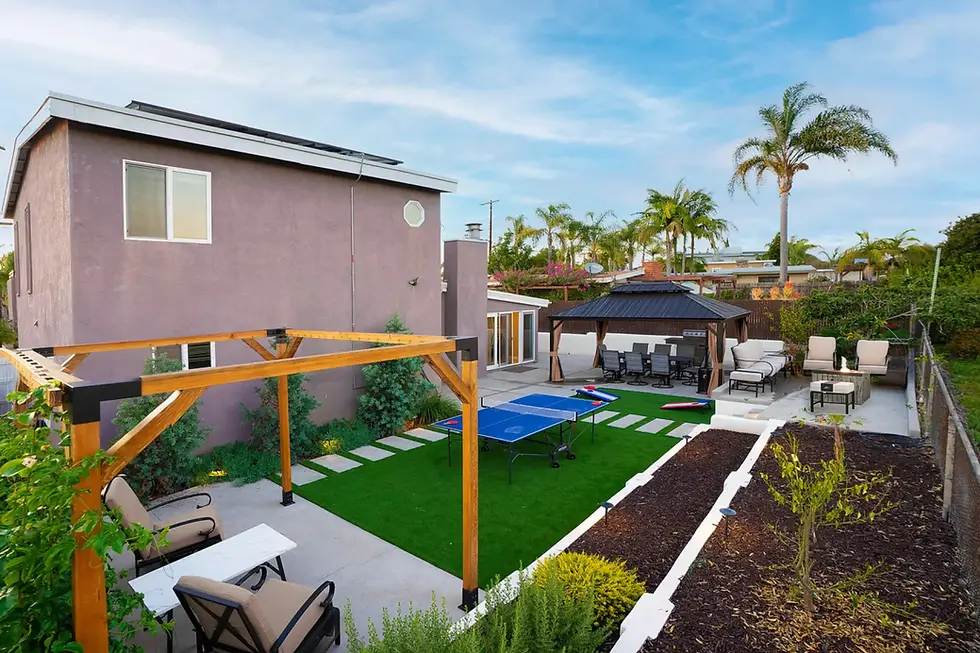
Understanding Airbnb management fees is essential for property owners who want to estimate rental income and control operating expenses. Comparing service charges and knowing what each fee includes can help owners decide whether professional management is worth the cost.
To review rental income and expenses, online percentage calculators can help users calculate fees, estimate percentage-based charges, and work out costs more easily.
https://hi88com.biz/ gợi cho mình sự tò mò về cách hệ thống duy trì mạch sử dụng khi xuất hiện nhu cầu hỗ trợ. Mình thường bắt đầu với nội dung đang quan tâm rồi mới chuyển sang chức năng khác nếu cần thêm thông tin. Có lúc mình sử dụng Thể thao, chuyển sang Casino rồi tìm đến khu vực chăm sóc khách hàng để xem hướng dẫn liên hệ. Phần hỗ trợ có vai trò riêng nên mình dễ phân biệt với những danh mục đã trải nghiệm. Sau khi tìm hiểu thông tin cần thiết, mình quay lại khu vực trước đó bằng những mốc đã ghi nhớ. Qua nhiều lần thao tác, mình nhận thấy việc phân chia…
https://qq88.fun/ khiến tôi chú ý đến cách giao diện hướng người dùng đến những khu vực cần thiết ngay từ trang chủ. Khi quan sát bố cục, tôi thường xem xét thứ tự các danh mục, độ rõ ràng của tiêu đề và khoảng cách giữa những thành phần điều hướng. Những mục được sắp xếp hợp lý giúp người dùng nhận biết cấu trúc tổng thể mà không cần mất nhiều thời gian làm quen. Trong quá trình trải nghiệm thể thao, nổ hũ và xổ số, tôi để ý cách mỗi nhóm nội dung được phân biệt bằng nhãn và hình ảnh đại diện. Các chức năng chính cũng nên giữ vị trí ổn định giữa những lần truy…
cm88 khiến mình quan tâm đến cách phần giao dịch được đặt trong một phiên có nhiều lần thay đổi mục đích. Mình bắt đầu với Bắn cá rồi mở phần nạp tiền trước khi chuyển tiếp sang Xổ số và Casino. Khi sang giao dịch, mình nhận ra đây là một nhánh riêng nên thường xác định phần cần xem trước rồi mới quay lại nội dung. Sau đó, mình lựa chọn Xổ số trực tiếp từ những mốc đang có thay vì lần ngược hành trình. Cách thử này giúp mình hiểu rõ hơn cách những chức năng khác nhau được kết nối, đồng thời tạo thói quen tìm hướng tiếp theo dựa trên cấu trúc thay vì lịch…
This is a useful breakdown for Airbnb owners, especially when evaluating management fees alongside other property-related costs. Understanding the full financial picture is essential before making investment decisions. For those considering property finance and mortgage options in Ireland, https://mortgageline.ie/ is also worth exploring.